Profile

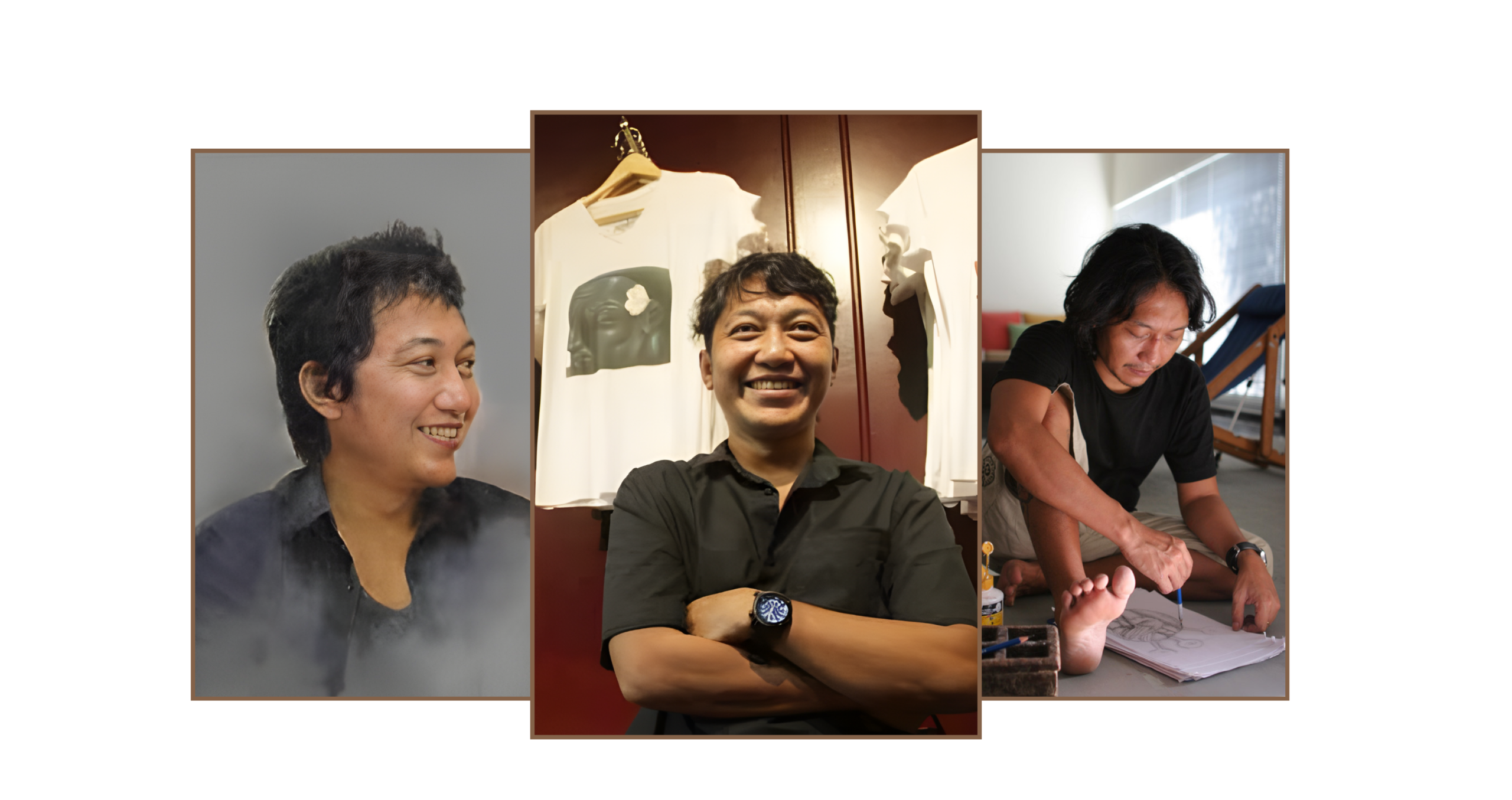
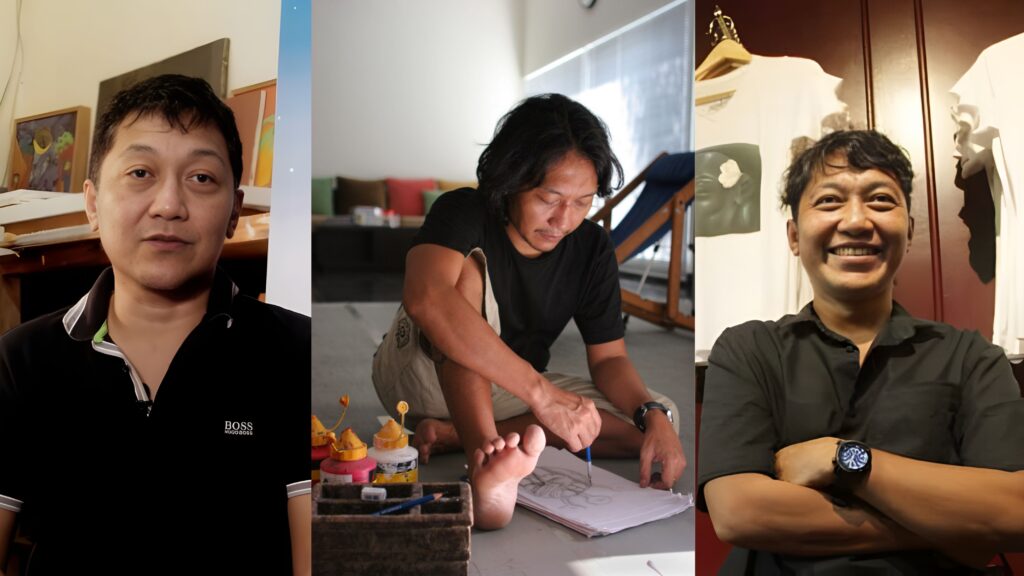
I Nyoman Masriadi

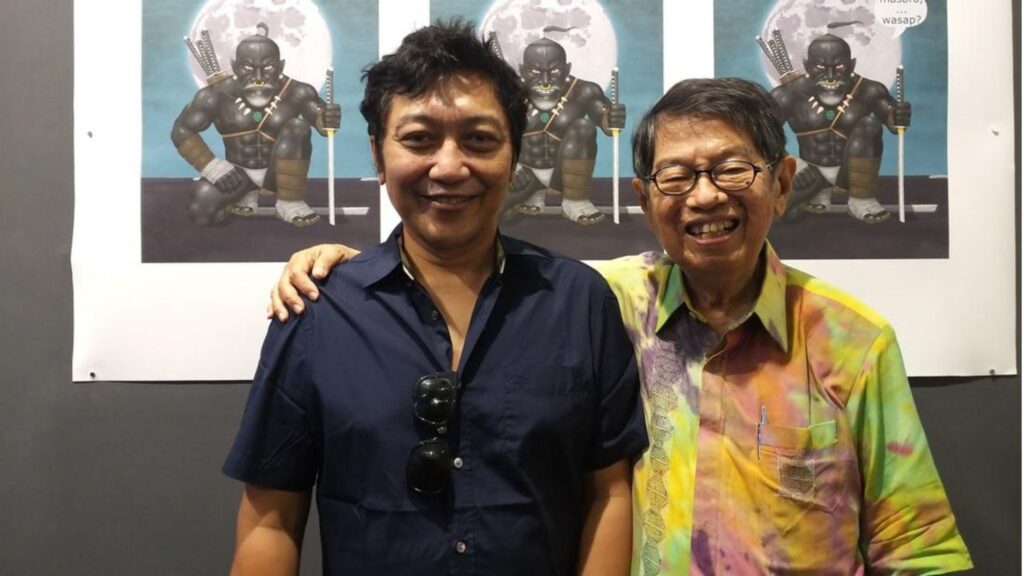
I Nyoman Masriadi is widely recognized for his distinctive figurative paintings that combine humor, satire, and critical commentary on contemporary society. His works often depict muscular, dark-toned figures placed in narrative-driven scenes that reflect human behavior, cultural tension, and social dynamics.

Where was he born?

Gianyar, Bali, Indonesia

October 28, 1973


Artistic Approach

Masriadi’s artistic journey began at the Institut Seni Indonesia Yogyakarta, where he developed his foundation in fine art. Early in his career, he moved away from traditional Balinese painting, choosing a more contemporary and personal direction.

His work merges Western modernism, caricature, street culture, and graffiti—forming a bold visual language defined by strong outlines and expressive figures.

His recurring “superhuman” figures embody psychological tension and social critique, reflecting contradictions within contemporary life.


BIOGRAPHY

A journey from Bali to the global contemporary art stage

Born in Gianyar, Bali (1973), I Nyoman Masriadi developed his artistic foundation at ISI Yogyakarta, where exposure to contemporary discourse shaped his early direction.

Breaking away from traditional Balinese painting, he built a distinctive visual language influenced by caricature, street culture, and social observation—creating bold figurative works that reflect modern life.

Rising in the early 2000s, Masriadi became one of Southeast Asia’s most influential contemporary artists, known for his iconic black-toned figures and satirical narratives.

His international breakthrough came in 2008, when The Man from Bantul was sold at Sotheby’s Hong Kong, marking a defining moment in his global recognition.


Career Highlights

A defining moment that positioned Masriadi on the global stage.
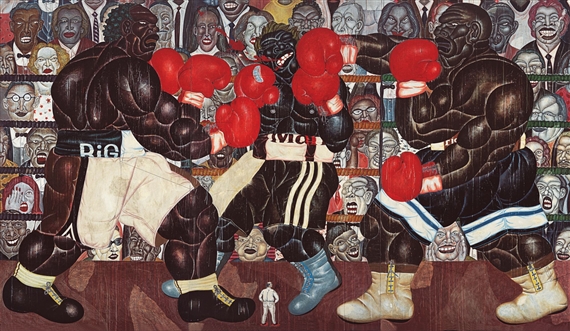
The Man from Bantul (2000)

A powerful depiction of a fighter in the ring, the work reflects themes of endurance, struggle, and social competition—mirroring the tensions of contemporary life.

Sold at Sotheby’s Hong Kong in 2008 for HKD 7.82 million, this piece marked a turning point, establishing Masriadi as one of Southeast Asia’s most significant contemporary artists.


“Creating art comes from within. It doesn’t need to be forced.”

— I NYOMAN MASRIADI